
Views: 0 Author: Site Editor Publish Time: 2025-09-30 Origin: Site
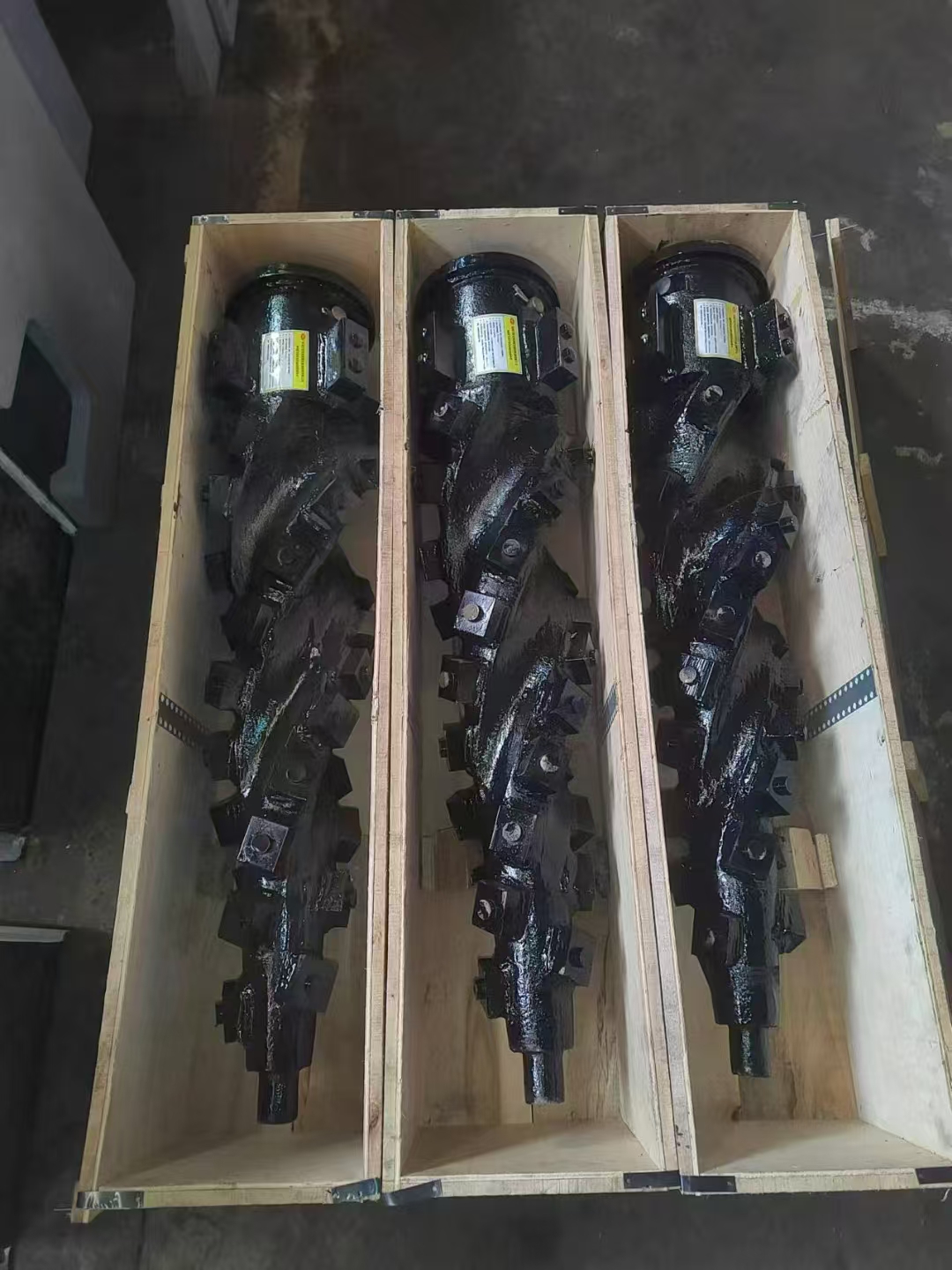
Rotary Carbide Tapping Hole Drill Bits: The Pinnacle of Precision Drilling
In modern manufacturing, where accuracy and efficiency define production success, the rotary carbide tapping hole drill bit emerges as an indispensable tool. Combining the hardness of carbide materials with specialized tapping geometry, this tool redefines drilling performance across industries. This article explores its composition, operational mechanisms, key advantages, selection criteria, and real-world applications.

A self-centering geometric 刃型 (cutting edge) that eliminates wandering during entry, ensuring precise hole positioning .
Spiral flutes optimized for chip evacuation, preventing clogging even in deep-hole drilling (up to 5D, where D = hole diameter) .
A tapping section with thread-forming ridges that synchronize with rotational speed to create uniform internal threads, reducing the need for secondary machining .
Superior Hardness & Wear Resistance: Carbide maintains sharp cutting edges 3–5 times longer than HSS, reducing tool change frequency .
High-Temperature Stability: It operates efficiently at 500–800°C, making it suitable for drilling hardened metals (stainless steel, cast iron) and composites .
Reduced Cutting Force: The self-centering design minimizes torque, lowering machine load and improving drilling stability .
Rotary carbide tapping bits are categorized by design to suit specific machining needs, with applications spanning high-precision industries:
3.1 Common Tool Variants:
| Type | Key Features | Ideal Use Case |
| Solid Carbide Tapping Bits | Full carbide construction, TiAlN coating, ±0.03mm tolerance | Aerospace components, precision 模具 (molds) |
| Welded Carbide Tapping Bits | Carbide cutting head welded to steel shank, internal cooling | CNC lathes, automotive engine blocks |
| Replaceable Crown Tapping Bits | Interchangeable carbide crowns, steel drill body | High-volume production (reduces 30% tool cost) |
Automotive Manufacturing: Used for drilling/tapping engine crankcases and transmission housings—60% of automotive drilling tasks rely on such bits .
Aerospace: Creates precision threads in turbine blades and aircraft structural parts, achieving ±0.005mm accuracy .
Mold & Die Making: Processes hardened tool steel with minimal surface roughness, eliminating post-drilling finishing .
Material Compatibility: For stainless steel, select bits with reinforced cores; for aluminum, use polished flutes to reduce chip adhesion .
Accuracy Requirements: Solid carbide bits for ±0.03mm tolerance; welded bits for general precision (±0.07mm) .
Machine Stability: Ensure high-rigidity machining centers for solid carbide bits (to avoid breakage); lathes work well with welded variants .
Coolant Usage: Apply high-pressure internal cooling (10–20 bar) for holes >3D depth to prevent overheating .
Cutting Parameters: Run at 2–3x higher speed than HSS bits (e.g., 800–1200 RPM for steel) but reduce feed rate by 30% during entry/exit .
Maintenance: Replace carbide crowns (instead of regrinding) to maintain precision—crowns last 20–30 cycles per drill body .
Nanocomposite Carbides: New tungsten-cobalt alloys with 50nm particle size offer 20% higher wear resistance .
Smart Coating Technologies: Self-lubricating coatings (e.g., diamond-like carbon) reduce friction in dry machining, aligning with sustainable manufacturing goals.
6. Conclusion


