
Views: 0 Author: Site Editor Publish Time: 2025-11-29 Origin: Site
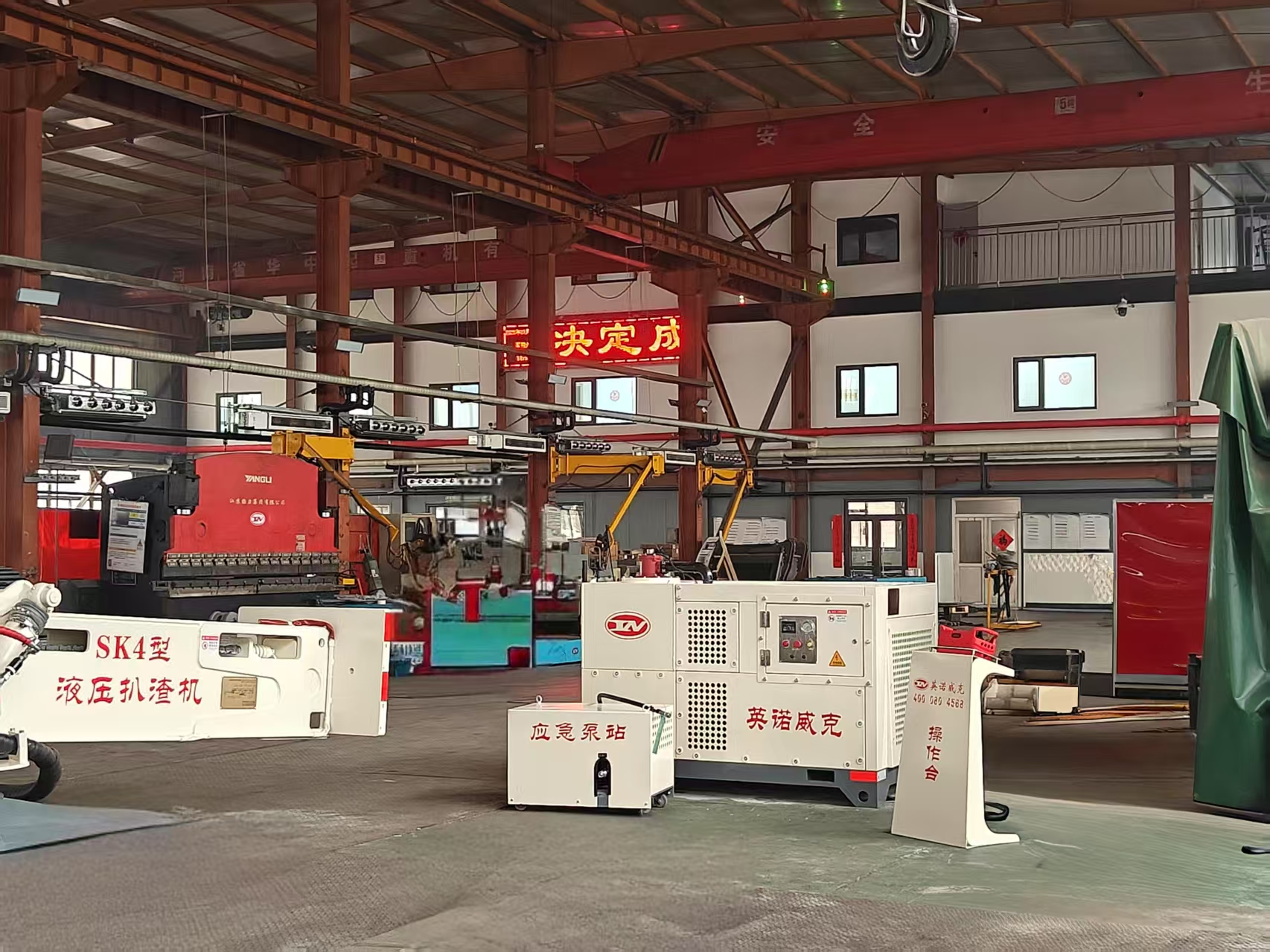
The main function of a slag raking machine in the non-ferrous metallurgy industry is to remove dross from the surface of molten metal, thereby improving metal purity and production efficiency.
A slag raking machine is a specialized mechanical equipment designed for pre-furnace treatment in the metallurgy sector, widely used in the smelting processes of non-ferrous metals such as aluminum and copper.
Its core function is to clear dross from the furnace surface via a robotic arm or rotating mechanism, which enhances metal purity and boosts production efficiency. The technical level of slag rakers has been continuously advancing: for instance, the adoption of high-strength wear-resistant materials and intelligent control systems has significantly improved equipment stability and operational convenience, while the application of energy-saving drive systems and automated production lines has further enhanced production efficiency and resource utilization.
Slag removal: The primary purpose is to physically remove the slag, a layer of impurities, from the surface of the molten metal. This is a critical step in many non-ferrous processes, like aluminum production.
Improved metal quality: By removing slag, the machine helps prevent impurities from contaminating the final product, leading to higher quality molten metal.
Reduced metallurgical load: Removing slag prevents it from being carried over into subsequent processes or ladles, which simplifies downstream operations and reduces wear and tear on equipment.
Increased efficiency: Automated systems can drastically reduce the time and labor required for manual slag removal, leading to higher throughput and lower operating costs.
Enhanced safety: Automating the process removes workers from the hazardous area around the furnace, significantly improving operator safety.
Versatility: Slag raking machines are often designed with multiple movements, including horizontal, vertical, and rotational (slew) motions, allowing them to adapt to different furnace and ladle configurations.


