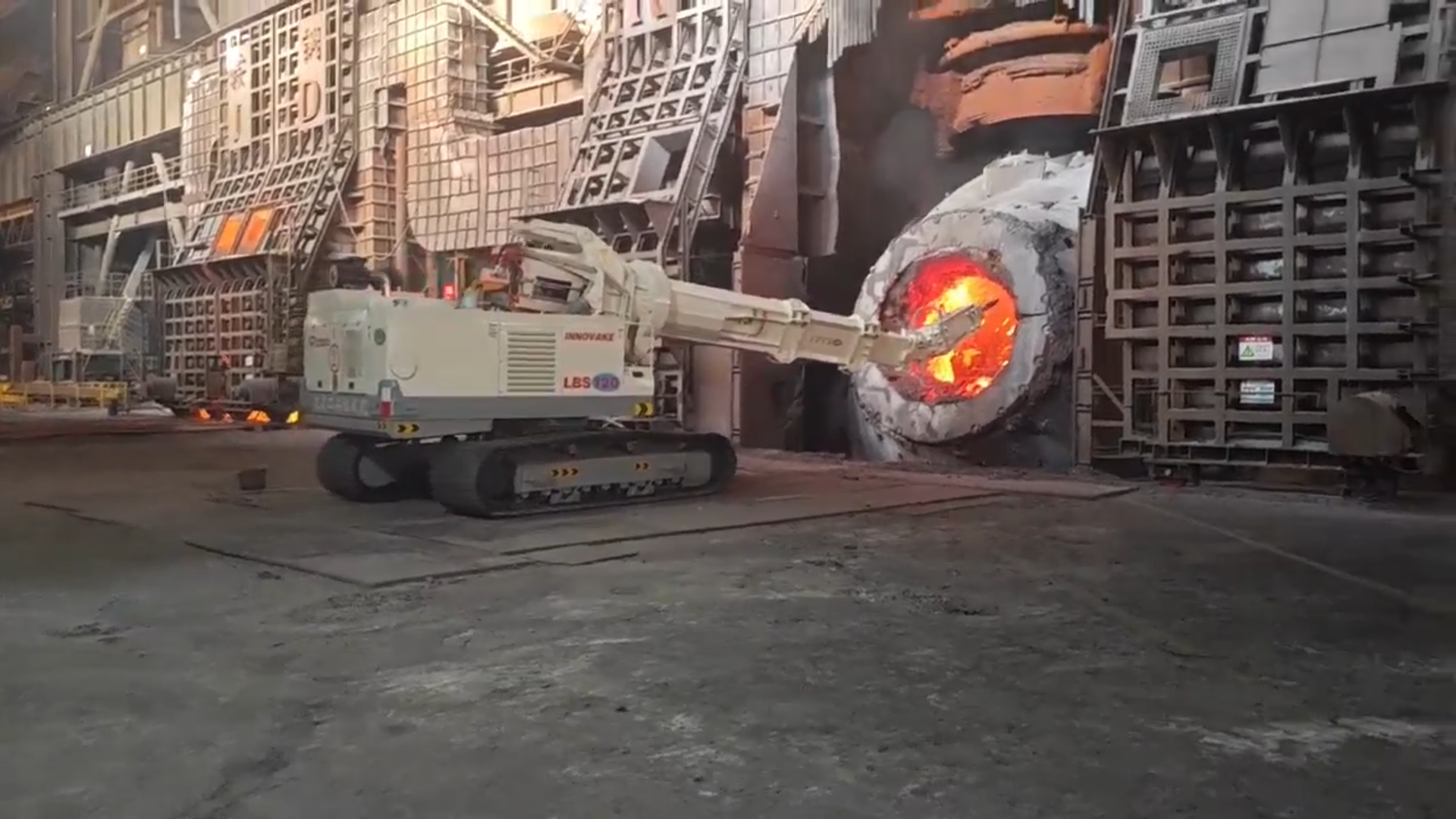
Converters are classified according to the nature of the refractory materials of the furnace lining into basic converters (lined with magnesia or dolomite) and acid converters (lined with siliceous materials); according to the position where gas is blown into the furnace into bottom-blown converters, top-blown converters and side-blown converters; and according to the gas used for blowing into air-blown converters and oxygen-blown converters.
Converter steelmaking is a steelmaking method mainly using liquid pig iron as raw material. Its main characteristics are: relying on the physical heat of liquid pig iron in the converter and the heat generated by the chemical reactions between various components in the pig iron (such as carbon, manganese, silicon, phosphorus, etc.) and the oxygen blown into the furnace, the metal can reach the composition and temperature required for tapping.
The furnace charge mainly consists of hot metal and slag-forming materials (such as lime, quartz, fluorite, etc.). To adjust the temperature, scrap steel, a small amount of cold pig iron blocks and ore can be added. During the converter steelmaking process, carbon in the hot metal reacts with the blown oxygen at high temperatures to produce a mixed gas of carbon monoxide and a small amount of carbon dioxide, namely converter gas. The output of converter gas is not balanced during a single smelting process, and its composition also changes. Usually, the gas recovered from multiple converter smelting processes is cooled, dedusted, sent to a gas holder for homogenization, and then delivered to users.