Hydraulic Hammer: Principles, Types, Applications and Future Trends
In the fields of construction, mining, and demolition, the hydraulic hammer stands as a pivotal piece of equipment, renowned for its exceptional power, efficiency, and versatility. Also known as a hydraulic breaker, this tool leverages hydraulic energy to deliver high-impact forces, making it indispensable for tasks that involve breaking hard materials such as concrete, rock, and asphalt. This article delves into the fundamental principles, core components, main types, key applications, and emerging trends of hydraulic hammers, providing a comprehensive overview of this vital engineering tool.
1. Fundamental Working Principle of Hydraulic Hammers
The operation of a hydraulic hammer is based on the principle of converting hydraulic energy into mechanical impact energy. Unlike traditional pneumatic hammers that rely on compressed air, hydraulic hammers utilize the incompressibility of hydraulic oil to transmit power, resulting in higher energy efficiency and more concentrated impact force.
The working process typically involves three key stages: energy storage, energy release, and reset. First, the hydraulic pump of the host machine (such as an excavator or loader) pressurizes the hydraulic oil, which then flows into the cylinder of the hydraulic hammer. This pressurized oil pushes the piston upward, compressing the nitrogen gas in the upper chamber of the cylinder—this is the energy storage stage. When the piston reaches a certain height, the hydraulic valve switches, changing the direction of the oil flow. The compressed nitrogen gas expands rapidly, pushing the piston downward at high speed. The piston then strikes the tool bit (chisel) with enormous force, transferring the impact energy to the target material to break it—this is the energy release stage. After the impact, the hydraulic oil reverses again, pushing the piston back to its original position, and the cycle repeats to achieve continuous impact.
2. Core Components of Hydraulic Hammers
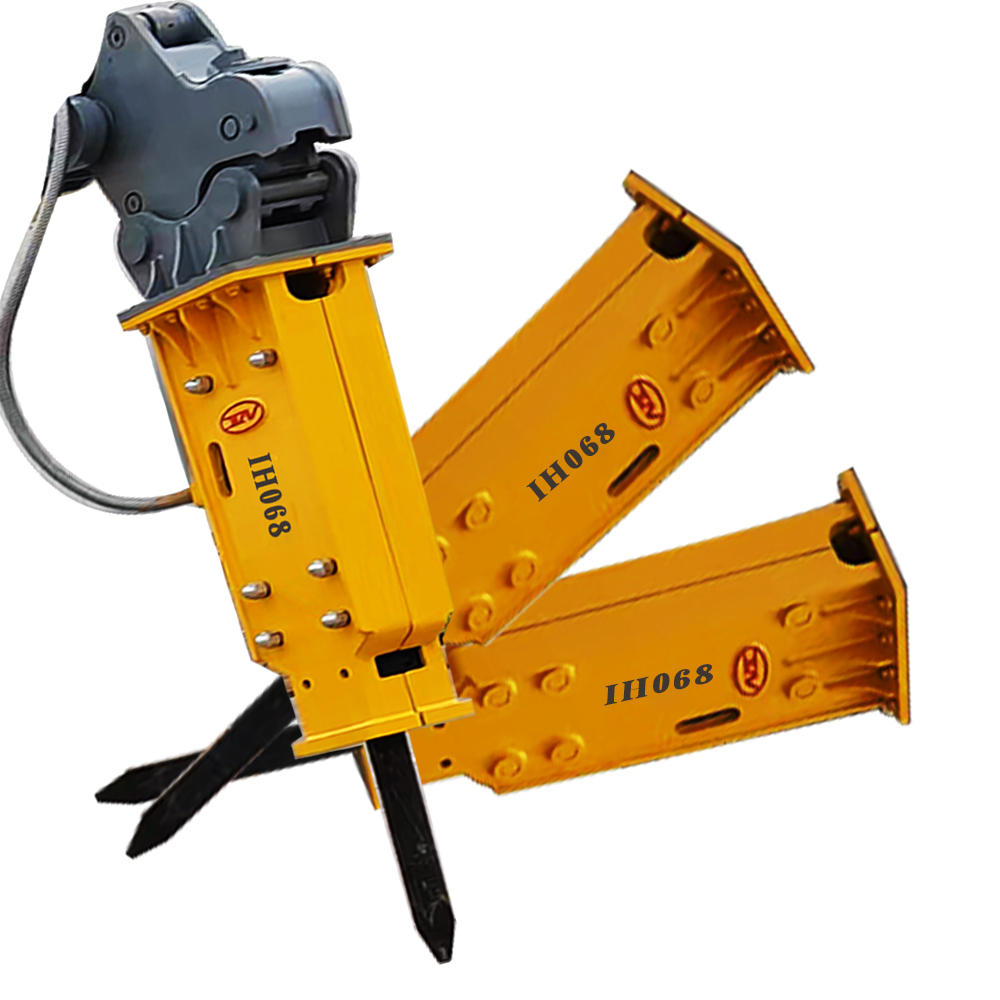
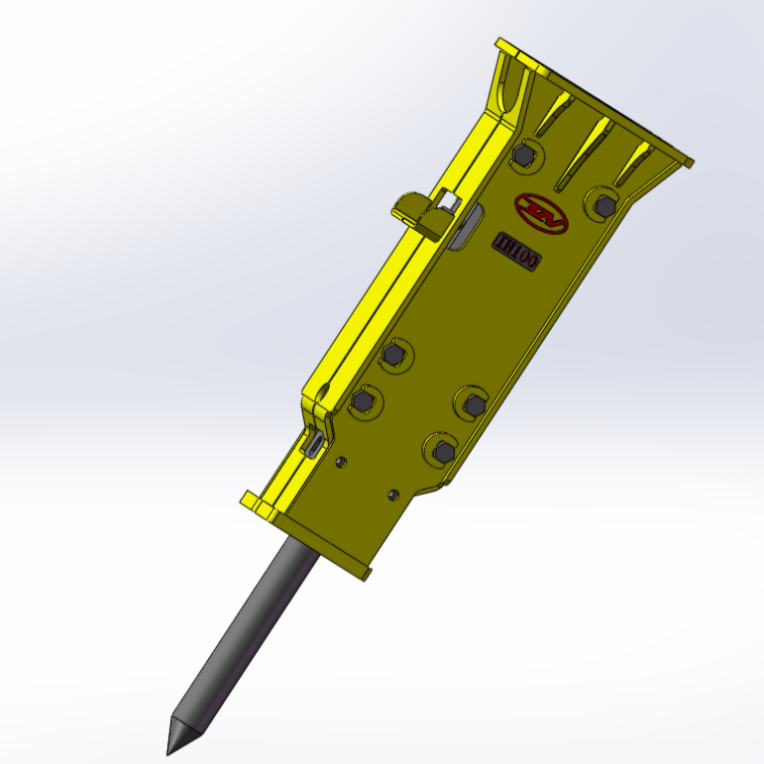
A hydraulic hammer consists of several critical components that work in tandem to ensure its stable and efficient operation. Each component plays a unique role, and their quality directly affects the performance and service life of the hammer.
Cylinder Body: As the main structural part, the cylinder body provides a sealed space for the piston's movement and houses the hydraulic oil and nitrogen gas. It is usually made of high-strength alloy steel to withstand high pressure and repeated impacts.
Piston: The core moving part that converts hydraulic and gas energy into impact energy. The piston's surface is precision-machined to ensure tight fitting with the cylinder body, minimizing oil leakage and maximizing energy transmission.
Tool Bit (Chisel): The component that directly contacts the target material. It is made of wear-resistant and high-toughness materials such as alloy steel, which can withstand severe impact and abrasion. Common tool bit shapes include pointed, flat, and wedge-shaped, adapted to different breaking tasks.
Nitrogen Chamber: Stores nitrogen gas, which acts as an energy storage medium. The expansion of compressed nitrogen provides additional power for the piston's downward strike, enhancing the impact force of the hammer.
Hydraulic Valve: Controls the direction and pressure of the hydraulic oil flow, regulating the piston's movement cycle. A high-quality hydraulic valve ensures smooth switching and stable operation, reducing energy loss.
3. Main Types of Hydraulic Hammers
Hydraulic hammers can be classified into different types based on their structural design, installation method, and application scenarios. The following are the most common categories:
3.1 Classification by Structural Design
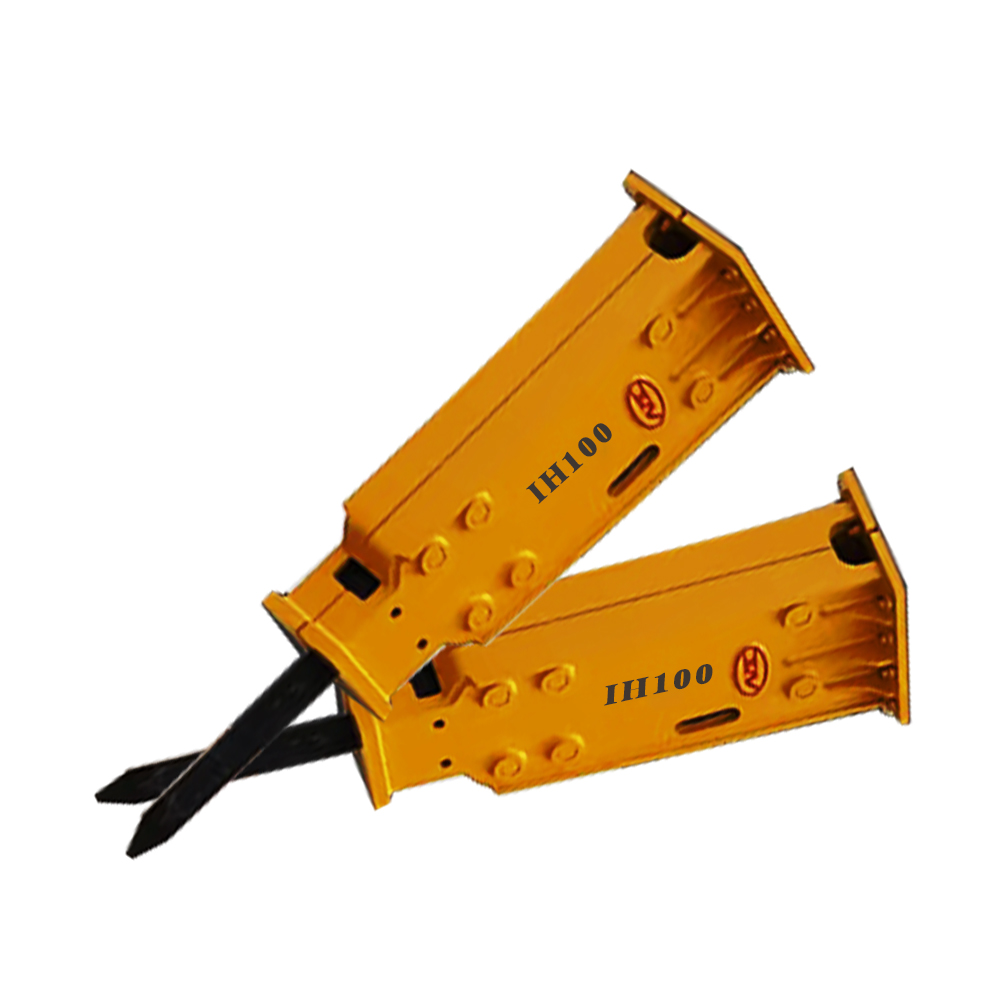
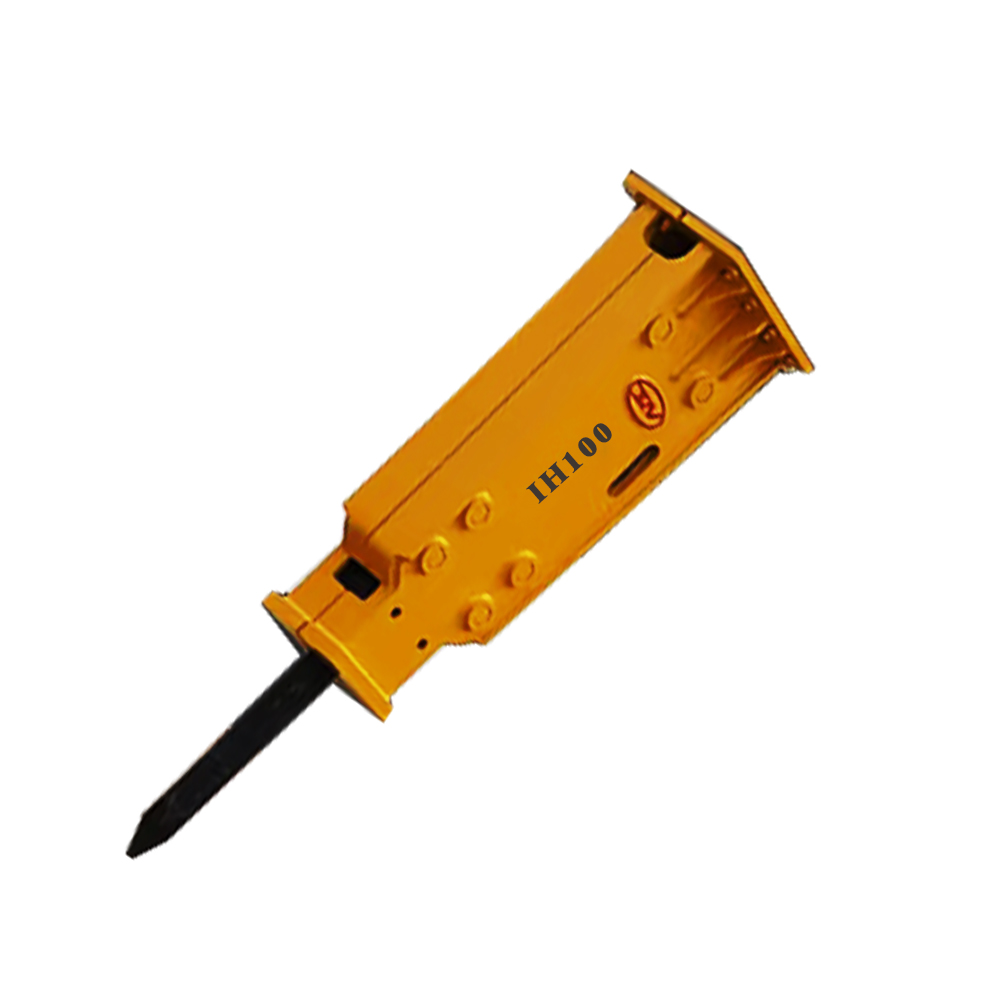
Inline Hydraulic Hammers: The cylinder body and the tool bit are arranged in a straight line, which enables direct transmission of impact energy and high energy utilization rate. This type is compact in structure and suitable for small to medium-sized breaking tasks, such as road maintenance and building demolition.
Side-Type Hydraulic Hammers: The cylinder body is installed on the side of the tool bit, and the impact energy is transmitted through a crankshaft or connecting rod. This design allows for a larger tool bit diameter and higher impact force, making it ideal for large-scale mining and rock breaking projects.
3.2 Classification by Installation Method
Excavator-Mounted Hydraulic Hammers: The most widely used type, which is mounted on the arm of an excavator through a quick coupler. It leverages the excavator's hydraulic system and maneuverability to adapt to various working environments, such as construction sites, mines, and quarries.
Loader-Mounted Hydraulic Hammers: Installed on the front bucket of a loader, suitable for breaking tasks in narrow spaces or areas with limited mobility. It combines the loading and breaking functions, improving work efficiency.
Handheld Hydraulic Hammers: Small in size and light in weight, designed for manual operation. They are mainly used for small-scale breaking work, such as indoor renovation and concrete chiseling.
4. Key Application Fields
The versatility of hydraulic hammers makes them widely used in various industries. Here are their main application scenarios:
4.1 Construction Industry
In construction, hydraulic hammers are used for tasks such as foundation excavation, concrete structure demolition, and road construction. For example, during the renovation of old buildings, hydraulic hammers can efficiently break reinforced concrete beams and columns without causing excessive damage to the surrounding structure. In road construction, they are used to break old asphalt pavements and level rock foundations.
4.2 Mining Industry
Mining is one of the most demanding application fields for hydraulic hammers. They are used to break hard rock formations in open-pit mines and underground mines, facilitating the extraction of minerals such as coal, iron ore, and copper ore. Compared with traditional blasting methods, hydraulic hammers are safer and more environmentally friendly, especially in areas with strict safety and environmental requirements.
4.3 Demolition Industry
In building demolition, hydraulic hammers are essential tools. They can be mounted on large excavators or demolition robots to break down high-rise buildings, bridges, and other large structures piece by piece. The precise control of hydraulic hammers ensures that the demolition process is safe and controllable, reducing the risk of collapse.
4.4 Municipal Engineering
Municipal engineering projects such as water pipe laying, sewage treatment plant construction, and road maintenance often require breaking hard ground or concrete. Hydraulic hammers, especially small handheld or excavator-mounted ones, can flexibly adapt to urban construction environments, minimizing the impact on traffic and residents.
5. Emerging Trends and Technological Innovations
With the continuous development of engineering technology and the increasing requirements for energy conservation, environmental protection, and intelligence, hydraulic hammers are also undergoing constant innovation and upgrading. The following are the main emerging trends:
5.1 Energy Conservation and Emission Reduction
Energy efficiency has become a key focus of hydraulic hammer research. Manufacturers are developing new hydraulic systems, such as variable displacement pumps and energy recovery systems, to reduce energy consumption. For example, some advanced hydraulic hammers can recover the energy generated by the piston's rebound and reuse it in the next impact, improving energy utilization rate by up to 20%.
5.2 Intelligence and Automation
The integration of intelligent technologies such as sensors, controllers, and IoT (Internet of Things) has enabled hydraulic hammers to achieve automated operation and remote monitoring. For example, some hydraulic hammers are equipped with pressure sensors and vibration sensors that can real-time monitor the working status and adjust the impact force and frequency according to the hardness of the target material. In addition, through IoT technology, managers can remotely track the working data, maintenance status, and location of the hydraulic hammer, improving management efficiency.
5.3 Improved Durability and Reliability
To meet the needs of harsh working environments, manufacturers are using new materials and manufacturing processes to enhance the durability of hydraulic hammers. For example, the cylinder body and piston are made of ultra-high-strength alloy steel with heat treatment, improving their wear resistance and fatigue resistance. At the same time, the sealing system is optimized to prevent oil leakage and extend the service life of the hydraulic hammer.
5.4 Environmental Protection
Environmental protection requirements have promoted the development of low-noise and low-vibration hydraulic hammers. Manufacturers are adopting noise reduction measures such as adding sound insulation layers to the cylinder body and optimizing the impact structure to reduce noise pollution. In addition, biodegradable hydraulic oil is used to minimize environmental impact in case of oil leakage.
6. Conclusion
As a core equipment in the field of heavy industry, hydraulic hammers have played an irreplaceable role in promoting the development of construction, mining, and other industries. With their advanced working principles, reliable core components, and diverse types, they can adapt to various complex working scenarios. Looking forward, with the continuous advancement of energy conservation, intelligence, and environmental protection technologies, hydraulic hammers will become more efficient, reliable, and environmentally friendly, contributing more to the sustainable development of the global engineering industry.


