Key Tools in Industrial Machining: Blade-type Solid Welding Drill Bits, Replaceable Button Reamers, and Spiral Taphole Reamers
In the realm of industrial machining, the performance of cutting and boring tools directly determines the precision, efficiency, and cost-effectiveness of manufacturing processes. Among the diverse array of tools available, blade-type solid welding drill bits, replaceable button reamers, and spiral taphole reamers stand out as indispensable components in various sectors, including construction, mining, automotive, and aerospace. This article delves into the structural characteristics, working principles, application scenarios, and unique advantages of these three key tools, highlighting their critical roles in modern industrial production.
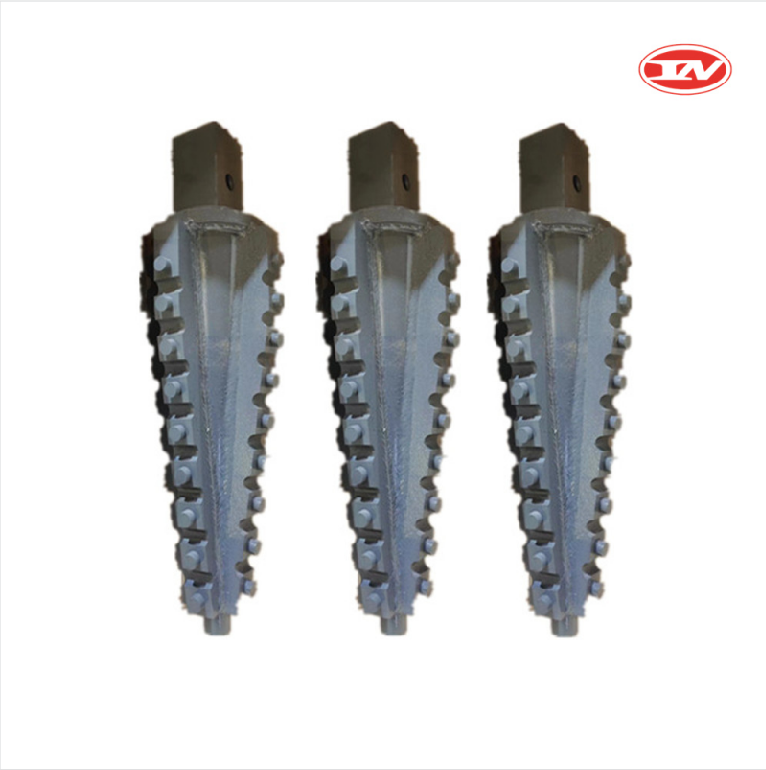
Blade-type Solid Welding Drill Bits: Durable and Efficient for Heavy-duty Drilling
Blade-type solid welding drill bits are engineered for heavy-duty drilling tasks, characterized by their robust construction and high wear resistance. The core structure of this tool consists of a solid steel shank and a cutting blade that is firmly welded to the shank using advanced welding technologies, such as high-frequency induction welding or argon arc welding. The cutting blade is typically made of cemented carbide or high-speed steel (HSS), materials renowned for their exceptional hardness and toughness, enabling the drill bit to withstand extreme pressure and friction during drilling.
The working principle of a blade-type solid welding drill bit revolves around the rotational cutting of the blade. When the drill bit is driven by a drilling machine, the sharpened edge of the carbide or HSS blade penetrates the workpiece, removing material in the form of chips. The solid welding connection between the blade and the shank ensures minimal vibration during operation, which is crucial for maintaining drilling precision. Additionally, many blade-type solid welding drill bits feature a chip flute design—grooves along the shank that facilitate the smooth discharge of chips, preventing clogging and reducing heat accumulation.
One of the primary application scenarios of blade-type solid welding drill bits is in the drilling of high-strength materials, such as carbon steel, alloy steel, cast iron, and concrete. In the construction industry, they are widely used for drilling anchor holes and foundation holes in concrete structures; in the automotive industry, they are employed to drill holes in engine blocks and transmission components. Their key advantages lie in their durability and cost-effectiveness: the solid welding structure ensures a long service life, even under continuous heavy-duty operation, and the relatively simple manufacturing process makes them more affordable compared to fully carbide drill bits. However, it is worth noting that once the cutting blade is worn or damaged, the entire drill bit needs to be replaced, which may increase maintenance costs in some cases.
Replaceable Button Reamers: Flexible and Cost-saving for Precision Boring
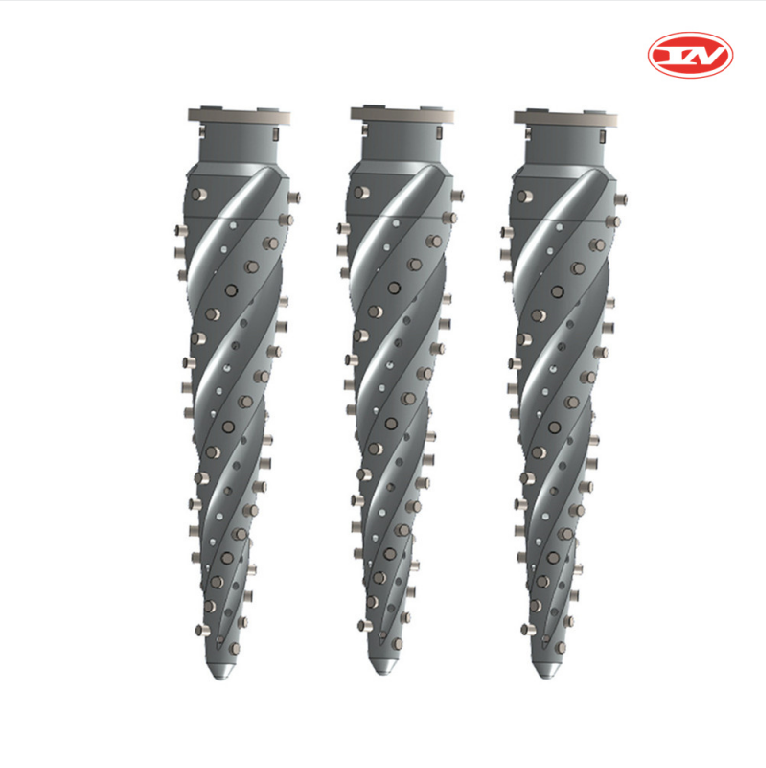
Replaceable button reamers, also known as indexable button reamers, are designed for precision boring and hole finishing, offering high flexibility and cost-saving benefits. Unlike traditional integral reamers, the cutting part of a replaceable button reamer consists of multiple detachable "buttons"—small, spherical or cylindrical cutting inserts made of cemented carbide or polycrystalline diamond (PCD). These buttons are mounted on a steel body through screws or clamping mechanisms, allowing for easy replacement when worn.
The working principle of a replaceable button reamer is based on the incremental removal of material from the inner wall of a pre-drilled hole to achieve the required diameter, roundness, and surface roughness. When in operation, the reamer rotates at a moderate speed while feeding axially into the hole. The button inserts, which are precisely positioned on the body, scrape off the excess material layer by layer. The spherical or cylindrical shape of the buttons ensures smooth contact with the workpiece surface, reducing scratches and improving the surface finish. Moreover, the replaceable design allows for quick adjustment of the cutting diameter by replacing buttons of different sizes or adjusting the position of the inserts, making the tool adaptable to various hole size requirements.
Replaceable button reamers are widely used in industries that demand high-precision holes, such as aerospace, hydraulic engineering, and mold manufacturing. For example, in the aerospace industry, they are used to finish the holes of aircraft engine casings and landing gear components, where even minor deviations in hole precision can affect the safety and performance of the aircraft. In the hydraulic industry, they are employed to process the inner holes of hydraulic cylinders, ensuring tight sealing and smooth operation. The main advantages of these reamers are their flexibility and cost-effectiveness: when the cutting buttons are worn, only the inserts need to be replaced instead of the entire tool body, significantly reducing tool costs. Additionally, the use of high-hardness materials for the buttons ensures excellent wear resistance and long service life. However, the precision of the reamer depends largely on the mounting accuracy of the buttons, requiring strict quality control during assembly.
Spiral Taphole Reamers: Specialized for Taphole Maintenance and Drilling
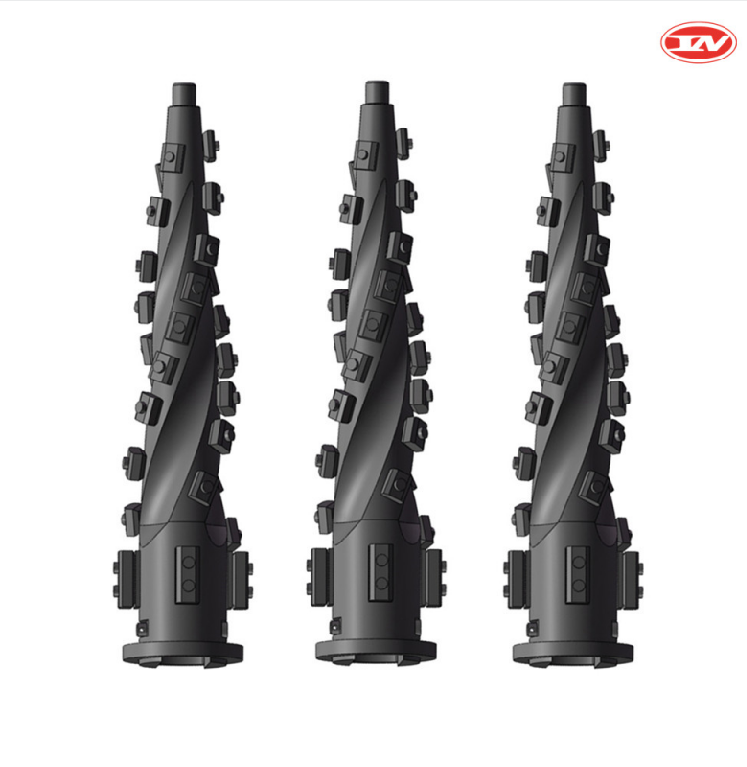
Spiral taphole reamers are specialized tools designed for the drilling and maintenance of tapholes in industrial furnaces, such as blast furnaces, cupolas, and electric arc furnaces. Tapholes are critical components of these furnaces, used for discharging molten metal or slag, and their integrity directly affects the safety and efficiency of furnace operations. Spiral taphole reamers are engineered to withstand the harsh conditions of high temperature and abrasive materials, featuring a unique spiral structure that combines drilling, reaming, and chip removal functions.
The core structure of a spiral taphole reamer includes a spiral steel body with cutting teeth distributed along the spiral grooves. The cutting teeth are usually made of wear-resistant materials like cemented carbide or tungsten carbide, and the spiral design is optimized to enhance chip removal and cooling. During operation, the reamer is driven by a hydraulic or pneumatic drill to rotate and feed into the taphole. The spiral cutting teeth break up the solidified slag and refractory material in the taphole, while the spiral grooves quickly discharge the debris to the outside. The spiral shape also helps to stabilize the reamer during operation, preventing deviation and ensuring the taphole is straight and smooth.
The primary application scenario of spiral taphole reamers is in the metallurgical industry, where they are used for regular maintenance and drilling of tapholes in blast furnaces and other smelting equipment. For example, in blast furnace ironmaking, the taphole needs to be reamed before each tapping to remove the solidified iron and slag, ensuring smooth discharge of molten iron. Spiral taphole reamers are also used in the construction of new tapholes, where they drill through the refractory lining of the furnace to form a precise channel. Their key advantages include strong wear resistance, efficient chip removal, and excellent adaptability to high-temperature environments. The spiral design not only improves the drilling efficiency but also reduces the risk of taphole blockage, which is crucial for ensuring continuous furnace operation. However, due to the specialized nature of their application, spiral taphole reamers are usually custom-designed according to the size and specifications of the taphole, resulting in higher customization costs.
Conclusion: Tailored Tools for Diverse Industrial Needs
Blade-type solid welding drill bits, replaceable button reamers, and spiral taphole reamers each possess unique structural designs and performance characteristics, making them suitable for distinct industrial applications. Blade-type solid welding drill bits excel in heavy-duty drilling tasks, offering durability and cost-effectiveness for processing high-strength materials. Replaceable button reamers stand out for their flexibility and precision, providing a cost-saving solution for high-precision hole finishing. Spiral taphole reamers are specialized for the harsh conditions of furnace taphole maintenance, ensuring the safety and efficiency of metallurgical operations.
As industrial technology continues to advance, the materials and designs of these tools are constantly evolving—for example, the adoption of PCD materials to enhance wear resistance, or the integration of intelligent sensors to monitor tool wear in real-time. By understanding the characteristics and applications of these key tools, manufacturers can select the most appropriate tools for their specific needs, improving production efficiency, reducing costs, and ensuring product quality. In the future, with the development of industries such as intelligent manufacturing and green production, these tools will continue to play a vital role, driving further innovations in industrial machining processes.


